
When a commercial flooring project requires consistent roll dimensions, stable surface quality, and dependable repeat supply, the manufacturing process matters as much as the product specification. At Vast, we use the production process to control thickness, appearance, roll stability, packing, and delivery consistency from the beginning of an order to final shipment.
This article explains how we manufacture commercial PVC flooring rolls, including specification confirmation, material preparation, layer forming, decorative design, surface finishing, inspection, packing, and export preparation. The product information below is based on our commercial PVC flooring range and the manufacturing capabilities published on our official website.

Our Commercial PVC Flooring Roll Specifications
Our commercial PVC flooring rolls are developed for offices, schools, clinics, retail shops, corridors, lobbies, rental renovation, and other commercial areas. The standard thickness options shown on our product page include 1.2 mm, 2 mm, 3 mm, and 4 mm. We can also discuss customized specifications according to the project requirement.
Common widths include 1.5 m, 2 m, and 3 m. Depending on the selected specification, roll lengths can be arranged in 20 m, 30 m, or 50 m formats. The listed wear layer is 0.3 mm or above. These parameters affect installation planning, cutting efficiency, handling, container loading, and the overall material cost.
| Specification | Common Options | How We Use It in Order Planning |
|---|---|---|
| Total Thickness | 1.2 mm, 2 mm, 3 mm, 4 mm, or customized | We match the thickness with the application, required feel, and project budget. |
| Wear Layer | 0.3 mm or above | We confirm the surface protection requirement according to the intended commercial use. |
| Roll Width | 1.5 m, 2 m, 3 m | We consider seam planning, cutting efficiency, installation area, and loading space. |
| Roll Length | 20 m, 30 m, 50 m, or confirmed length | We arrange the length according to handling, storage, and shipment requirements. |
Layer Structure of Our Commercial PVC Flooring Rolls
Our commercial PVC flooring is made as a layered flooring material rather than a single flat sheet. The typical structure shown on our product page includes a wear layer, printed design layer, PVC core, and backing layer.

| Layer | Function in the Finished Flooring |
|---|---|
| Wear Layer | Protects the visible surface during walking, cleaning, and regular commercial use. |
| Printed Design Layer | Creates wood, stone, solid-color, or customized decorative effects. |
| PVC Core Layer | Provides the main body, thickness, flexibility, and dimensional support. |
| Backing Layer | Supports handling and helps the flooring lay correctly on a suitable subfloor. |
Step 1: Confirming the Flooring Specification
We begin production with a confirmed specification rather than a general product name. Before scheduling an order, we confirm the required thickness, wear layer, width, roll length, surface design, color, backing, packing method, and quantity.
The appropriate specification depends on the installation environment. A school corridor, clinic, retail shop, office, and temporary renovation project may require different combinations of thickness, surface design, roll size, and surface protection.
At this stage, we also confirm whether the order requires standard designs, mixed designs, OEM labels, customized dimensions, or special export packing. Keeping these details clear before production helps prevent changes after the line has started.
Step 2: Raw Material Inspection and Preparation
Before production, we prepare PVC-related materials, design materials, backing materials, and packing materials according to the confirmed order. Our quality control process begins with raw material inspection and continues through production monitoring, finished product testing, and shipment inspection.
Material preparation has a direct effect on batch stability. Inconsistent materials or inaccurate color preparation can lead to shade differences, surface variation, or unstable processing performance between rolls.
For repeat projects, we keep the approved sample and confirmed production specification as the reference for subsequent batches. This is important when the same commercial PVC flooring design is supplied to several areas or reordered for later project phases.
Step 3: Forming the PVC Base Layer
The PVC base layer provides the main body of the flooring roll. During this stage, we control the material so that the required thickness, width, flexibility, and surface flatness can be maintained for the following production steps.
Our factory information includes extrusion equipment for PVC and SPC products. The forming process produces a continuous flooring structure that can then receive the decorative design and surface protection specified in the order.
Stable forming is important during installation. Significant variation in thickness or width can affect cutting accuracy, seam planning, material consumption, and the time required for fitting on site.
Step 4: Applying the Decorative Design
The design layer determines the visible appearance of the commercial PVC flooring. Our range includes wood, stone, and solid-color designs for different commercial environments.
Design selection should be considered together with the installation environment. Wood patterns can create a warmer appearance in offices and rental renovation projects, while stone or solid-color designs may be selected for corridors, clinics, shops, and public areas requiring a consistent visual effect.
Before bulk production, we use the approved sample as the reference for color, pattern, surface appearance, and overall finish. This gives the finished batch a clear visual standard and makes repeat ordering easier to manage.
Step 5: Surface Protection and Finish Control
The surface layer affects how the flooring looks, feels, and performs during daily use. We list a wear layer of 0.3 mm or above for our commercial PVC flooring rolls.
The wear layer should be matched to the intended environment rather than selected by thickness alone. Areas with regular foot traffic, frequent cleaning, or heavy furniture movement require a specification suitable for the actual operating conditions.
During production and finished-product inspection, we check the visible surface for design consistency, color variation, scratches, contamination, and uneven finish. A uniform surface is important for both installation acceptance and the appearance of the completed project.
Step 6: Cooling, Flattening, and Roll Stability
After the flooring layers are formed and combined, the material needs to be stabilized before it is wound into finished rolls. Cooling and flattening help maintain a regular shape and make the material easier to handle during installation.
Good roll stability reduces unnecessary curling and helps the flooring lay more evenly on a properly prepared subfloor. This is especially important when long sections are installed across offices, corridors, schools, retail areas, and other large spaces.
We pay attention to flatness, edge condition, surface appearance, and general handling behavior before the flooring proceeds to final winding.
Step 7: Cutting and Winding the Finished Roll
Once the flooring reaches the confirmed specification, we cut and wind it according to the required roll width and length. Our common width options are 1.5 m, 2 m, and 3 m, while the final roll length is confirmed according to the order.
Accurate winding makes the finished roll easier to move, label, measure, load, and prepare for installation. Each roll should correspond with the order information, including design, size, quantity, and packing requirements.
Step 8: Finished Product Inspection
Our finished-product inspection verifies whether the completed rolls match the confirmed order. The main inspection points include:
- Total thickness and wear layer specification
- Roll width and measured length
- Surface design and color consistency
- Flatness, edge condition, and visible appearance
- Winding condition and label information
- Quantity, packing condition, and shipment details
We recommend checking samples before a bulk order is confirmed. A sample allows the surface design, flexibility, thickness, and general finish to be reviewed before the complete quantity is manufactured.
Step 9: Export Packing and Shipment Preparation
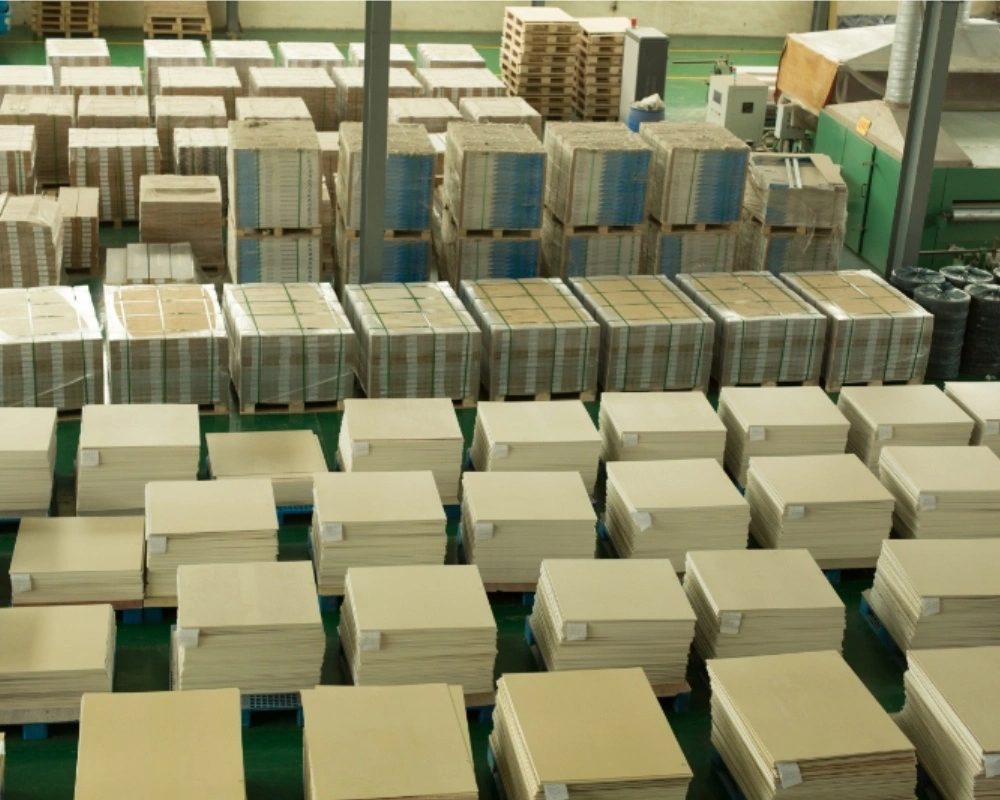
After inspection, we prepare the rolls for storage or shipment. Packing details are confirmed according to the destination market and handling method. Important points include roll protection, product labels, shipping marks, quantity per package, container loading, and any required OEM information.
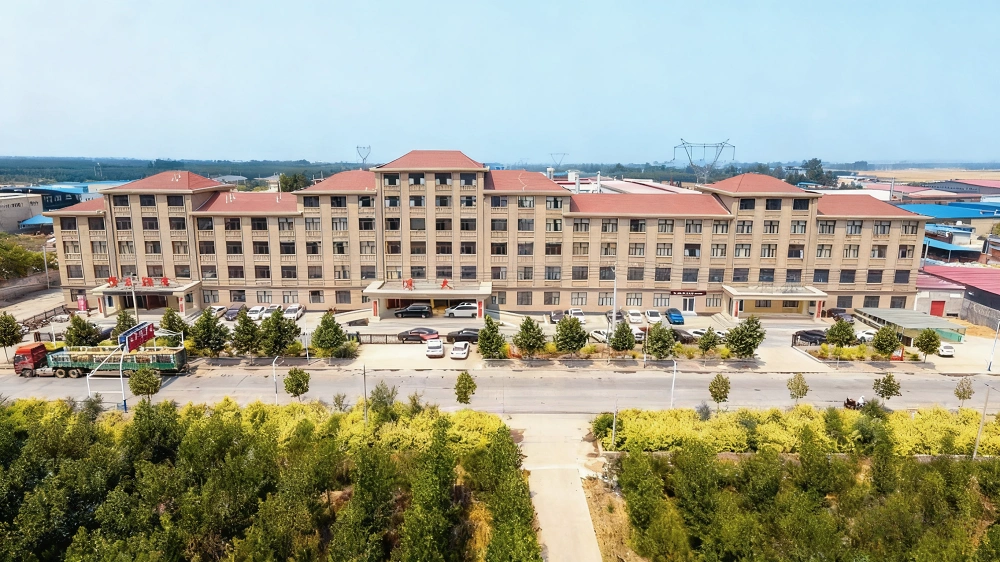
Our factory was established in 2008 in Xinle, Shijiazhuang, Hebei, China. We operate a production base of more than 160,000 square meters, with over 200 staff members and 15 production lines. Our stated monthly supply capacity is more than 200 containers, which supports container orders, repeat supply programs, and project-based delivery planning.
Specification Checks Before Ordering Commercial PVC Flooring Rolls
| Check Before Confirmation | How We Address It |
|---|---|
| Thickness and wear layer | We match the specification with the intended traffic and use conditions. |
| Width and roll length | We plan the roll size around installation, storage, cutting, and container loading. |
| Design and color reference | We use the approved sample as the production reference. |
| Backing and surface finish | We confirm the construction and finish before production scheduling. |
| Packaging and labels | We arrange packing and identification according to the shipment requirement. |
| Sample and inspection process | We provide a clear reference before the complete quantity is manufactured. |
How Our Manufacturing Process Supports Project Consistency
Commercial PVC flooring performance depends on the complete production chain, not on one specification alone. Layer structure, thickness control, surface consistency, roll stability, winding accuracy, and packing quality all affect the final installation.
By controlling these stages together, we help reduce cutting waste, installation adjustment, shade differences, and variation between repeat orders. This is particularly important when the same flooring design is supplied for several areas or multiple project phases.
We therefore confirm the product specification together with the application, expected traffic, installation area, design requirement, roll size, packing method, and delivery plan.
About Vast PVC Flooring
Xinle City Vast Plastic Co., Ltd. is our manufacturing company and the producer behind Vast PVC Flooring. We manufacture PVC flooring rolls, SPC flooring, skirting, foam backed vinyl flooring, felt backed vinyl sheet flooring, thin PVC vinyl flooring rolls, and commercial PVC flooring rolls.
Our commercial PVC flooring range is available in different thicknesses, widths, roll lengths, designs, and project applications. Samples, customized specifications, mixed designs, and packing details can be discussed according to the order requirements.
Frequently Asked Questions
What is commercial PVC flooring roll used for?
We supply commercial PVC flooring rolls for offices, schools, clinics, retail shops, corridors, lobbies, rental renovation, and other commercial or public spaces.
What thicknesses are available?
Our common thickness options include 1.2 mm, 2 mm, 3 mm, and 4 mm. Customized specifications can also be discussed according to the project requirement.
What wear layer is available?
Our commercial PVC flooring page lists a wear layer of 0.3 mm or above. The appropriate specification should be confirmed according to the intended application and traffic conditions.
What roll widths can we supply?
Our common width options include 1.5 m, 2 m, and 3 m. The final width is confirmed according to the installation plan and order specification.
Can the roll length be customized?
Common roll lengths include 20 m, 30 m, and 50 m, depending on the product specification. We confirm the required length before production planning.
Can different designs be ordered together?
Mixed designs and order combinations can be discussed according to the selected specifications, quantities, packing method, and production arrangement.
Why do we recommend checking a sample first?
A sample allows the design, color, thickness, flexibility, surface finish, and general appearance to be reviewed before the complete order is manufactured.
Conclusion
Our commercial PVC flooring manufacturing process includes specification confirmation, raw material preparation, PVC layer forming, decorative design application, surface protection, cooling and flattening, winding, inspection, packing, and shipment preparation.
Each stage affects the final result. When thickness, wear layer, roll dimensions, design, surface quality, packing, and delivery details are confirmed together, commercial PVC flooring rolls can be supplied with better control over installation quality, project appearance, and repeat-order consistency.

